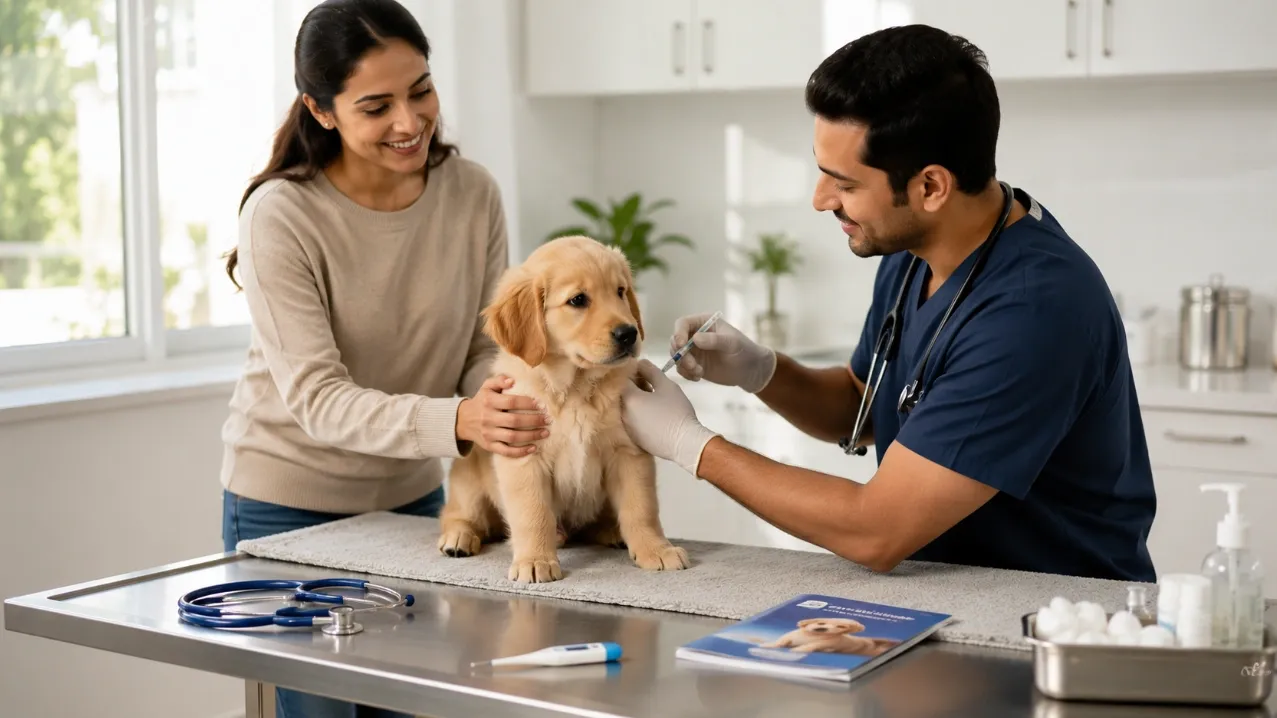
Puppy Vaccination Schedule: Every Shot, Age by Age
Vaccinations are one of the most important investments you can make in your puppy’s health. During the first few months of life, puppies are especially vulnerable to infectious diseases because their immune systems are still developing. Serious illnesses such as canine parvovirus and canine distemper can spread quickly and may become life-threatening, particularly in young puppies that have not completed their vaccination series.
Many new puppy owners have questions like:
- When should my puppy receive its first vaccine?
- What are booster shots?
- When is it safe to go outside?
- Are vaccine side effects normal?
This guide answers those questions and explains how vaccinations help protect your puppy during its most vulnerable stage of life.
Why Puppies Need Vaccinations
When puppies are born, they receive temporary immune protection from their mother’s first milk (colostrum). As this protection gradually decreases, puppies become more susceptible to infectious diseases. Vaccinations help train the immune system to recognize and defend against specific diseases before exposure occurs. Although no vaccine provides 100% protection, following your veterinarian’s recommended vaccination schedule greatly reduces the risk of many serious illnesses.
What Diseases Do Vaccines Help Protect Against?
Depending on your location and your veterinarian’s recommendations, puppy vaccines may help protect against diseases such as:
- Canine Parvovirus
- Canine Distemper
- Canine Adenovirus (Hepatitis)
- Parainfluenza
- Rabies
- Leptospirosis (where appropriate)
Your veterinarian will recommend a vaccination plan based on your puppy’s age, health, and local disease risks.
Understanding the Vaccination Schedule
Puppies generally require a series of vaccinations rather than a single injection. This is because maternal antibodies can interfere with the effectiveness of early vaccines.
Your veterinarian will recommend:
- The appropriate age for the first vaccination.
- The timing of booster doses.
- When your puppy has developed adequate protection.
- Future annual or periodic booster vaccinations.
Always follow your veterinarian’s schedule rather than relying solely on general timelines found online.
Why Booster Shots Matter
Many owners mistakenly believe one vaccine is enough. In reality, booster vaccinations are an essential part of building reliable immunity. Missing booster appointments may leave your puppy less protected during an important stage of development. Keep a copy of your puppy’s vaccination record and schedule the next appointment before leaving the veterinary clinic.
Can My Puppy Go Outside Before Vaccinations Are Complete?
This is one of the most common questions new owners ask. Until your veterinarian confirms your puppy has adequate protection, avoid taking it to public places where unknown dogs may have been.
This includes:
- Public parks.
- Dog parks.
- Busy footpaths.
- Shared apartment dog areas.
- Pet relief zones.
These environments may contain viruses or bacteria that survive in the environment. Instead, focus on safe indoor socialization, gentle handling, household experiences, and short outings to low-risk locations if recommended by your veterinarian.
What Should I Do After Vaccination?
Most puppies return home and continue their normal routine.
Provide:
- A quiet environment.
- Fresh drinking water.
- Normal meals unless your veterinarian advises otherwise.
- Plenty of rest.
Avoid overly strenuous exercise immediately after vaccination.
Are Vaccine Side Effects Normal?
Some mild reactions may occur after vaccination.
These can include:
- Mild tiredness.
- Slight discomfort at the injection site.
- Reduced activity for a short period.
- Mild decrease in appetite.
These reactions often resolve within a day or two. However, seek veterinary attention immediately if your puppy develops:
- Difficulty breathing.
- Facial swelling.
- Repeated vomiting.
- Collapse.
- Severe lethargy.
- Persistent diarrhoea.
Don’t Skip the First Veterinary Check-Up
Even if your puppy appears healthy, arrange a veterinary examination within 24 – 48 hours of bringing it home.
During this visit, your veterinarian can:
- Review vaccination records.
- Check body weight.
- Estimate age if necessary.
- Examine eyes, ears, skin, and teeth.
- Check for ticks or fleas.
- Look for hernias or other physical abnormalities.
- Discuss nutrition, deworming, and preventive care.
Early health checks help identify concerns before they become more serious.
Vaccination and Socialization
Many owners worry that delaying outdoor walks also delays socialization. Fortunately, puppies can begin learning about the world safely at home.
Expose your puppy to:
- Household sounds.
- Different floor surfaces.
- Gentle handling.
- Family members.
- Safe visitors.
- Everyday objects.
Once your veterinarian confirms it’s safe, gradually introduce outdoor experiences in a controlled way.
Common Vaccination Mistakes
Avoid these common errors:
- Missing booster appointments.
- Taking puppies to public dog areas too early.
- Assuming one vaccine provides complete protection.
- Forgetting to keep vaccination records.
- Ignoring post-vaccination reactions.
- Delaying veterinary check-ups after bringing the puppy home.
From Mukul’s Experience
One lesson I’ve learned after working with hundreds of puppies is that prevention is always easier than treatment. I’ve seen puppies recover from serious illnesses because they received prompt veterinary care, but I’ve also seen how quickly diseases like parvovirus can become life-threatening in unvaccinated puppies. I always encourage new owners to keep vaccination appointments, avoid unnecessary exposure before the vaccination series is complete, and never ignore early signs of illness. A few weeks of patience can provide years of protection.
Quick Vaccination Checklist
- Book your first veterinary visit within 24–48 hours.
- Keep all vaccination records.
- Never miss booster appointments.
- Avoid public dog areas until your veterinarian says it’s safe.
- Watch for unusual reactions after vaccination.
- Continue socialization safely at home.
- Discuss parasite prevention with your veterinarian.
- Ask questions whenever you’re unsure about your puppy’s healthcare.
Frequently Asked Questions
The timing depends on your puppy’s age, previous vaccinations, and your veterinarian’s recommendations.
Booster doses help strengthen and extend your puppy’s immune protection during early development.
Vaccination greatly reduces the risk, but no vaccine guarantees complete protection. Completing the full vaccination series and following veterinary advice remain important.
Your veterinarian will advise when your puppy has sufficient protection to safely explore public areas.
Unless your veterinarian advises otherwise, it’s generally best to avoid unnecessary stress immediately after vaccination and allow your puppy to rest.
Mild tiredness can occur after vaccination and often resolves within a day or two.
Contact your veterinarian as soon as possible to determine the best way to continue your puppy’s vaccination plan.
Most puppies experience no significant problems. Mild tiredness or soreness may occur, while severe reactions are uncommon but require immediate veterinary care.
Yes. Vaccinations and parasite control are separate parts of preventive healthcare. Your veterinarian will recommend an appropriate deworming schedule.
Public dog areas may expose young puppies to infectious diseases before they have developed adequate immunity.
Key Takeaways
- Vaccinations are one of the most effective ways to protect your puppy from serious infectious diseases.
- Follow your veterinarian’s recommended vaccination schedule and never skip booster doses.
- Avoid public dog areas until your puppy has adequate protection.
- Mild post-vaccination tiredness can be normal, but severe reactions require immediate veterinary attention.
- Keep vaccination records and schedule follow-up appointments in advance.
- Continue safe socialization at home while your puppy completes its vaccination series.
- Prevention through vaccination and routine veterinary care is far easier than treating preventable diseases.
Next Step: Continue with our Puppy Grooming Guide to learn how to bathe, brush, trim nails, clean ears, and build positive grooming habits from an early age.

[…] Puppy Vaccination Guide: Schedule, Booster Shots & What Every Owner Should Know […]