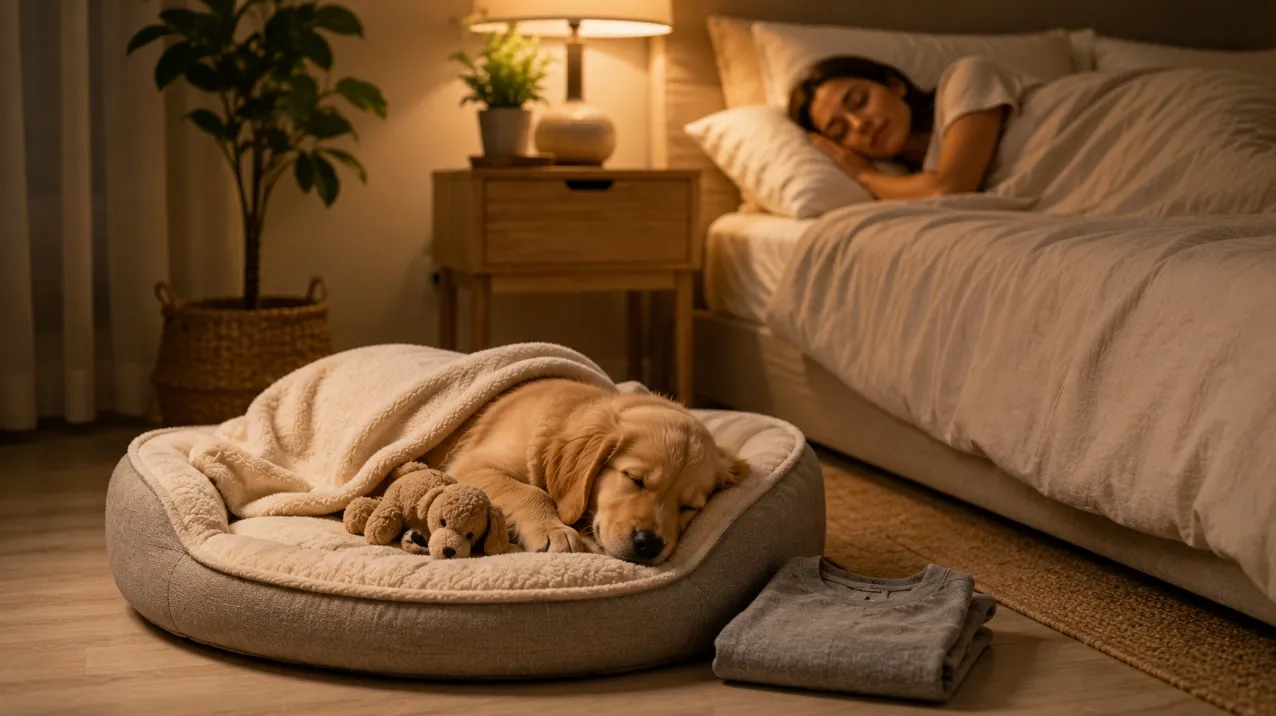
Puppy Sleep Guide: How Much Sleep Does a Puppy Need?
One of the biggest surprises for first-time puppy owners is just how much puppies sleep.
After spending a few minutes running around the house, playing with toys, or exploring every corner of their new home, most puppies suddenly curl up and fall asleep. Many owners worry that their puppy is sleeping too much or wonder if something is wrong.
In reality, healthy puppies spend a large part of the day sleeping because their bodies and brains are developing rapidly. Sleep isn’t simply rest, it’s an essential part of growth, learning, memory, and immune function.
Understanding your puppy’s sleeping habits will help you create a routine that supports healthy development while also making the first few weeks at home much easier.
In this guide, you’ll learn how much sleep puppies need, where they should sleep, why they cry at night, and how to create a comfortable sleeping environment.
Why Sleep Is So Important for Puppies
Young puppies experience rapid physical and mental development.
While sleeping, their bodies support:
- Muscle growth.
- Bone development.
- Brain development.
- Memory formation.
- Immune system function.
- Energy restoration.
A well-rested puppy is generally happier, more focused during training, and better able to cope with new experiences.
How Much Sleep Does a Puppy Need?
Most young puppies sleep between 16 and 18 hours a day, although this can vary depending on age, breed, health, and activity level.
Don’t expect your puppy to stay awake for long periods.
A typical cycle often looks like this:
- Wake up.
- Toilet break.
- Eat.
- Play.
- Explore.
- Sleep again.
These short bursts of activity followed by long naps are completely normal.
Is It Normal for Puppies to Sleep All Day?
Yes.
Many first-time owners worry because their puppy seems to sleep constantly.
As long as your puppy wakes up willingly, eats normally, drinks water, plays for short periods, and behaves appropriately when awake, frequent sleeping is usually part of healthy development.
However, excessive sleep combined with symptoms such as refusing food, repeated vomiting, diarrhoea, weakness, or difficulty waking should always be discussed with your veterinarian.
Where Should a Puppy Sleep?
Your puppy should have a quiet, comfortable sleeping area where it feels safe.
An ideal sleeping space includes:
- A comfortable puppy bed.
- A soft blanket.
- Good ventilation.
- Protection from direct sunlight.
- Protection from cold floors.
- Minimal household disturbance.
During winter, placing the bed on a mat or blanket helps reduce heat loss through the floor.
Avoid placing your puppy’s bed directly under an air conditioner or in the path of strong cold airflow.
Should Your Puppy Sleep in Your Bedroom?
For the first few nights, many owners find it helpful to keep the puppy’s bed close to where they sleep. This helps the puppy feel less isolated after leaving its mother and littermates. If your long-term goal is for your puppy to sleep in another room, begin transitioning gradually once the puppy has settled confidently into its new home. Consistency is more important than frequently changing sleeping arrangements.
How to Comfort a Crying Puppy
Instead of immediately picking your puppy up every time it cries, try creating a calm and reassuring environment.
You can:
- Keep the bed near you during the first few nights.
- Speak softly.
- Offer gentle reassurance.
- Maintain a consistent bedtime routine.
One practical technique that many owners find helpful is placing a clean T-shirt you’ve recently worn near your puppy’s bed. Your familiar scent can provide additional comfort while your puppy adjusts to its new surroundings.
Should You Wake a Sleeping Puppy?
Generally, no. Healthy sleep is essential for development. Avoid waking your puppy simply to play or interact. Instead, allow your puppy to wake naturally whenever possible. The exception may be very young puppies that require scheduled feeding or specific veterinary instructions.
Creating a Healthy Bedtime Routine
A predictable evening routine helps puppies settle more comfortably.
Before bedtime:
- Offer one final toilet break.
- Provide a calm play session rather than intense activity.
- Ensure fresh drinking water is available.
- Dim household activity.
- Encourage your puppy to settle in its own bed.
Over time, your puppy will begin to associate these activities with sleep.
Can Puppies Sleep With Their Owners?
This is a personal choice. Some owners eventually allow their dogs to sleep on the bed, while others prefer their puppy to sleep in its own bed. Whichever option you choose, consistency from the beginning helps avoid confusion. If your goal is independent sleeping, encourage that habit from an early age.
Common Puppy Sleep Mistakes
Avoid these common mistakes:
- Waking a sleeping puppy unnecessarily.
- Allowing excessive excitement immediately before bedtime.
- Changing sleeping locations every night.
- Placing the bed in noisy areas.
- Keeping the sleeping area too hot or too cold.
- Allowing prolonged crying without checking for basic needs such as hunger, thirst, or the need to toilet.
From Mukul’s Experience
One thing I’ve noticed after working with hundreds of puppies is that owners often worry when a puppy sleeps for most of the day. In reality, that’s usually a sign of healthy growth. I always encourage new owners to observe what happens when the puppy is awake. If it’s eating well, drinking normally, playing, and responding to its surroundings before settling down for another nap, that’s often exactly what we’d expect from a young, growing puppy. The first few nights can also be emotional for them. Keeping the puppy close, speaking calmly, and giving it something with your scent can make the transition much easier.
Quick Sleep Checklist
- Provide a comfortable puppy bed.
- Keep the sleeping area quiet.
- Avoid direct air conditioner airflow.
- Keep your puppy warm during winter.
- Allow natural naps.
- Follow a consistent bedtime routine.
- Offer a final toilet break before bedtime.
- Contact your veterinarian if unusual sleepiness is accompanied by other signs of illness.
Frequently Asked Questions
Most young puppies sleep around 16 -18 hours a day, although individual needs vary.
Puppies grow rapidly, and sleep supports physical development, brain function, and immune health.
Yes. Many puppies cry during their first few nights because they miss their mother and littermates.
This depends on your long-term preference. Whatever you decide, remain consistent.
No. Healthy sleep is an important part of puppy development.
Most puppies are comfortable in a moderate indoor environment. Avoid exposing them to extreme heat, cold, or direct air conditioner airflow.
Puppies often twitch, paddle their legs, or make small sounds while sleeping. These movements are generally considered a normal part of sleep.
Puppies frequently change positions to stay comfortable or regulate body temperature.
Many puppies gradually develop longer sleep periods as they mature, though individual timelines vary.
If excessive sleep is accompanied by refusing food, vomiting, diarrhoea, weakness, breathing difficulties, or difficulty waking, seek veterinary advice promptly.
Key Takeaways
- Most puppies naturally sleep 16–18 hours each day.
- Sleep plays an essential role in growth and development.
- Provide a quiet, comfortable sleeping area.
- Night-time crying is common during the first few days.
- Keep bedtime routines calm and consistent.
- Never ignore signs of illness simply because your puppy is sleeping.
- Observe your puppy’s behaviour when awake, not just how long it sleeps.
Next Step: Continue with our Puppy Exercise Guide to learn how much physical activity your puppy needs, which games are safe, and how to avoid overexercising growing joints.