Puppy Grooming Guide: How to Groom Your Puppy the Right Way
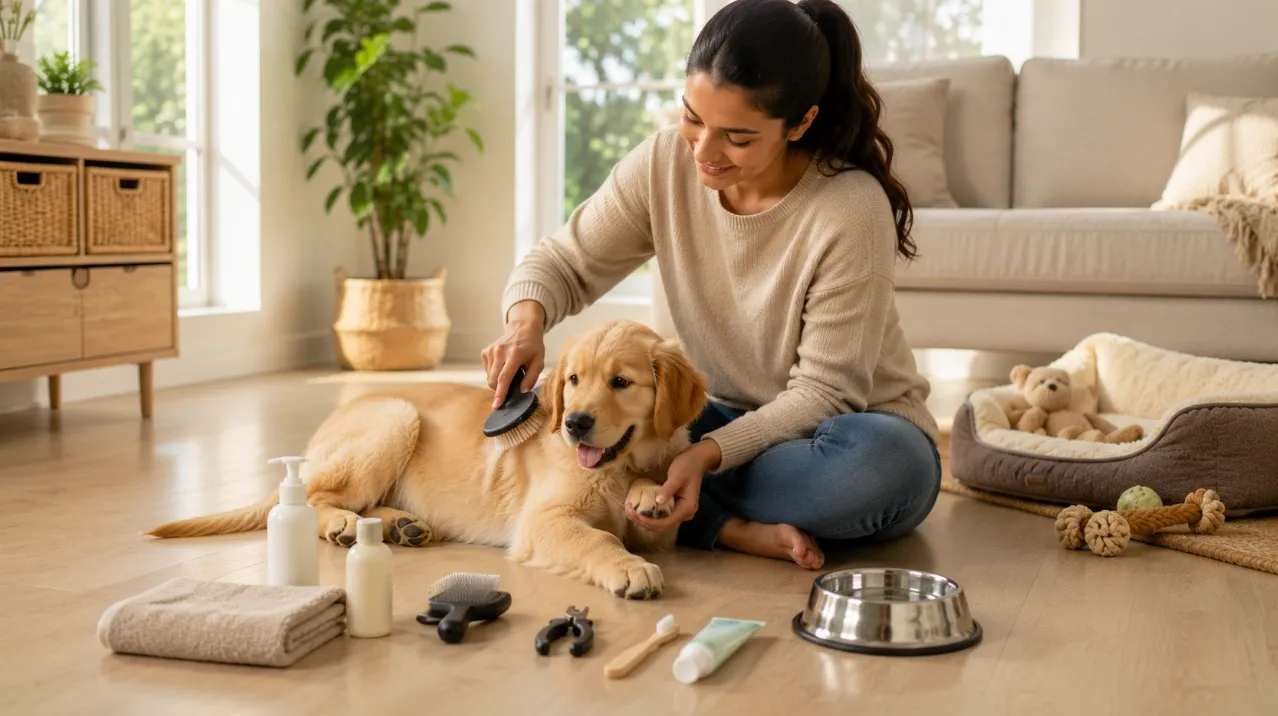
Grooming is much more than keeping your puppy clean. It’s an important part of preventive healthcare that helps maintain healthy skin, a clean coat, comfortable paws, healthy ears, and good dental hygiene. Starting a grooming routine while your puppy is still young also teaches it to accept handling, making future veterinary visits, nail trimming, and brushing far less stressful. Many new owners worry about bathing too early, trimming tiny nails, or cleaning sensitive ears. The good news is that grooming doesn’t have to be complicated. With patience, the right tools, and positive experiences, your puppy can learn to enjoy grooming sessions.
In this guide, you’ll learn how to build a safe grooming routine, how often different grooming tasks should be performed, and the common mistakes to avoid.
Why Grooming Matters
Regular grooming helps you:
- Keep the coat clean.
- Reduce tangles and matting.
- Remove loose hair.
- Monitor skin health.
- Detect ticks or fleas early.
- Keep ears clean.
- Maintain healthy teeth.
- Build trust through gentle handling.
Many health problems are first noticed during routine grooming.
When Should You Start Grooming?
The best time to introduce grooming is during puppyhood. You don’t need to wait until your puppy needs a full bath.
Instead, begin with short positive sessions that include:
- Gentle brushing.
- Touching the paws.
- Looking inside the ears.
- Opening the mouth briefly.
- Handling the tail.
These simple exercises help your puppy become comfortable with being handled.
Brushing Your Puppy’s Coat
Brushing removes loose fur, distributes natural skin oils, and helps prevent knots. How often you brush depends on the coat type.
Short-Coated Breeds
Most benefit from brushing once or twice each week.
Medium and Long-Coated Breeds
These often require more frequent brushing to prevent tangles and mats.
Always use a brush appropriate for your puppy’s coat type.
Brush gently, especially around sensitive areas such as the belly and legs.
Bathing Your Puppy
Puppies don’t need frequent baths unless they become dirty or your veterinarian recommends one.
When bathing:
- Use lukewarm water.
- Choose a puppy-specific shampoo.
- Avoid getting water into the ears.
- Rinse thoroughly.
- Dry the coat completely before allowing your puppy to rest or go outside.
Never use human shampoo, as it may disrupt your puppy’s skin barrier.
Nail Care
Long nails can affect your puppy’s posture and make walking uncomfortable.
Check the nails regularly.
Trim only small amounts at a time, especially if you’re unfamiliar with nail trimming.
If you’re unsure, ask your veterinarian or a professional groomer to demonstrate the correct technique.
Ear Cleaning
Healthy ears should appear clean and have little or no unpleasant odour.
Inspect the ears regularly for:
- Redness.
- Excessive wax.
- Swelling.
- Unpleasant smell.
- Scratching.
Only use ear-cleaning products recommended by your veterinarian.
Never insert cotton buds deep into the ear canal.
Dental Care
Dental care should begin early.
Introduce tooth brushing gradually using:
- A dog-specific toothbrush.
- Veterinary-approved dog toothpaste.
Never use human toothpaste because it contains ingredients that may be harmful if swallowed.
Short daily brushing sessions are often more effective than occasional long sessions.
Eye Care
Most healthy puppies require very little eye care.
Gently wipe away any normal discharge using a clean damp cloth or sterile gauze if needed.
If you notice:
- Persistent discharge.
- Swelling.
- Cloudiness.
- Excessive tearing.
- Squinting.
Arrange a veterinary examination.
Checking the Skin
Every grooming session is also a health check.
Look for:
- Ticks.
- Fleas.
- Scabs.
- Lumps.
- Hair loss.
- Redness.
- Dry patches.
- Unusual odours.
Early detection often leads to faster treatment.
Grooming During Different Seasons
Summer
- Brush regularly to remove loose hair.
- Check for ticks after outdoor activities.
- Keep the coat clean and dry.
Avoid shaving double-coated breeds unless specifically advised by your veterinarian.
Winter
- Dry your puppy thoroughly after getting wet.
- Keep bedding warm and dry.
- Brush regularly to prevent matting.
Create Positive Grooming Experiences
Never force grooming.
Instead:
- Keep sessions short.
- Offer calm praise.
- Reward cooperation.
- Stop before your puppy becomes overwhelmed.
Positive experiences during puppyhood often result in a dog that enjoys grooming as an adult.
Common Grooming Mistakes
Avoid these common errors:
- Using human shampoo.
- Bathing too frequently.
- Ignoring dental care.
- Allowing nails to become overgrown.
- Pulling on tangled fur.
- Cleaning ears with cotton buds.
- Forgetting to check for parasites.
Consistency matters more than perfection.
From Mukul’s Experience
One thing I’ve learned after working with hundreds of puppies is that grooming should begin as handling, not as bathing. I like to gently touch a puppy’s paws, ears, mouth, and tail for a few seconds every day while rewarding calm behaviour. By the time the puppy needs regular brushing or nail trimming, those experiences already feel familiar instead of frightening. Grooming isn’t just about appearance, it’s one of the easiest ways to notice small health changes before they become bigger problems.
Quick Grooming Checklist
- Brush the coat regularly.
- Use puppy-safe shampoo.
- Check nails frequently.
- Inspect ears every week.
- Brush teeth regularly.
- Check skin for parasites.
- Dry your puppy thoroughly after bathing.
- Keep grooming sessions short and positive.
Frequently Asked Questions
Ask your veterinarian based on your puppy’s age, health, and vaccination status. In general, puppies only need a bath when they become dirty or have a medical reason for bathing.
This depends on the coat type. Long-coated breeds usually require more frequent brushing than short-coated breeds.
No. Human shampoos aren’t formulated for canine skin and may cause irritation.
Check them regularly and trim them before they become excessively long. If you’re unsure how, ask your veterinarian or a professional groomer to show you the correct technique.
Use only veterinarian-recommended ear cleaners and avoid inserting anything deep into the ear canal.
Daily brushing is ideal, but even several sessions each week can help support good dental health.
Many puppies simply need gradual, positive introductions. Keep sessions short and reward calm behaviour.
Run your hands slowly through the coat while inspecting the skin, especially after outdoor activities.
Not necessarily. Some breeds require regular professional grooming, while others mainly need routine home care.
Waiting until the puppy is older before introducing handling. Early positive experiences make lifelong grooming much easier.
Key Takeaways
- Grooming supports both hygiene and preventive healthcare.
- Introduce handling from an early age to build confidence.
- Brush, bathe, trim nails, and clean ears using puppy-safe products.
- Make grooming sessions short, calm, and rewarding.
- Inspect your puppy’s skin and coat regularly for early signs of health problems.
- Tailor grooming routines to your puppy’s breed and coat type.
- Consistent, gentle grooming builds trust that lasts a lifetime.
Next Step: Continue with our Puppy Socialization Guide to learn how to introduce your puppy to new people, environments, sounds, and experiences while building confidence and preventing fear-related behaviour.